
The $800 price point represents a strict boundary in mattress manufacturing. At this tier, material science meets harsh economic reality. Consumers navigating the entry-level market often encounter marketing claims that obscure the physical limitations of budget-friendly viscoelastic polymers. Understanding the exact composition of these beds is essential for aligning orthopedic needs with financial constraints. The modern bed-in-a-box industry has optimized shipping and production, yet the fundamental cost of high-density foam remains fixed. This creates a highly specific product category with distinct advantages for certain demographics and severe limitations for others. The layer thicknesses, foam densities, and structural compromises that define this price bracket are worth examining closely.
Structural Realities of the Budget Tier
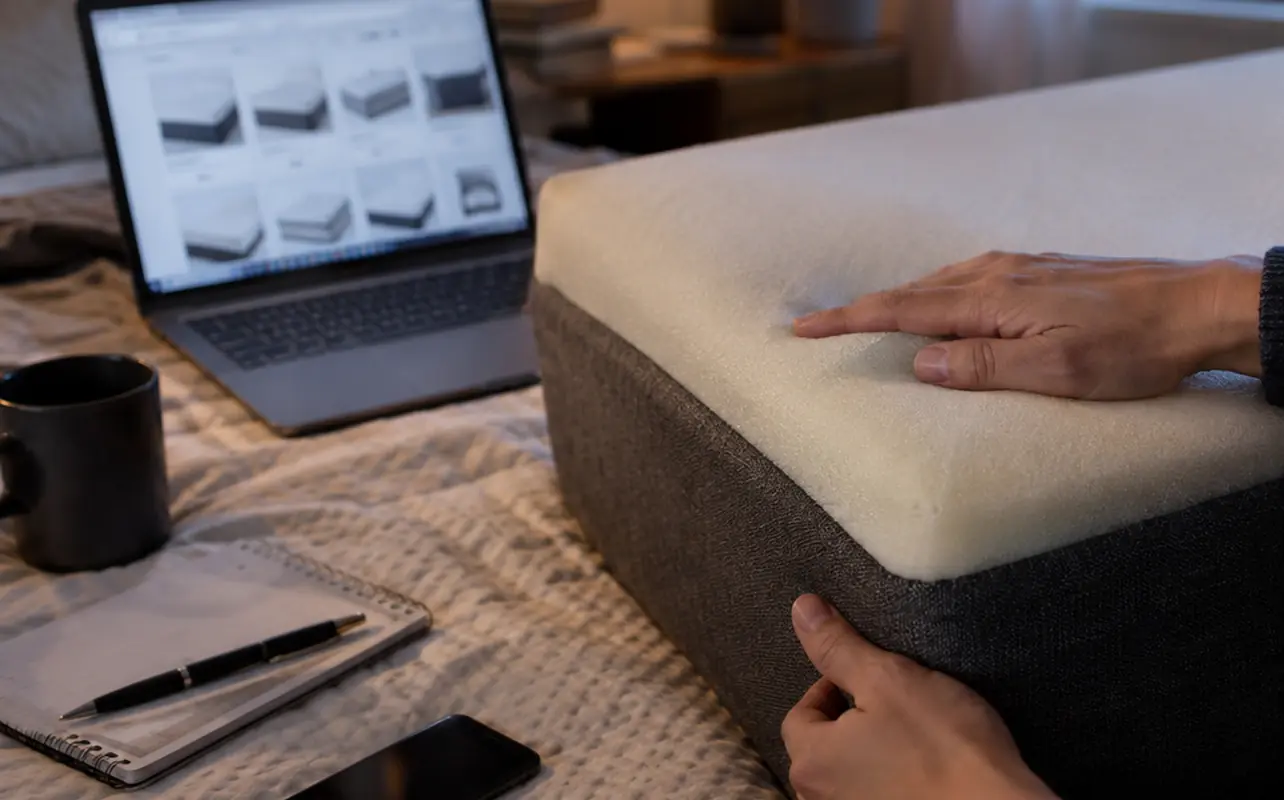
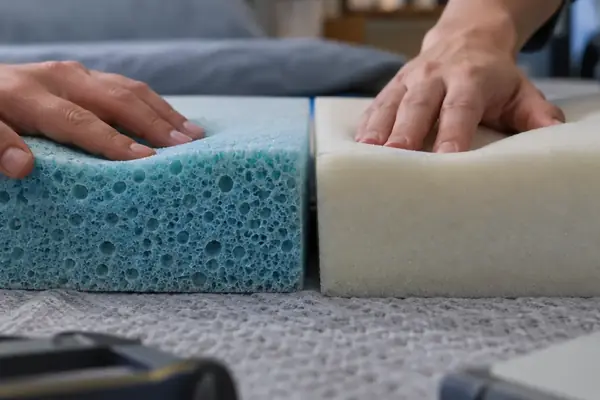
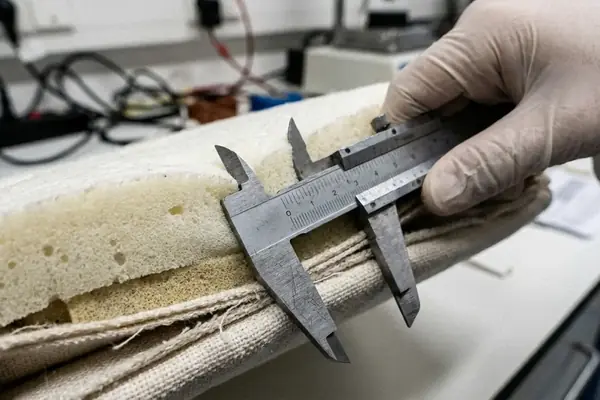
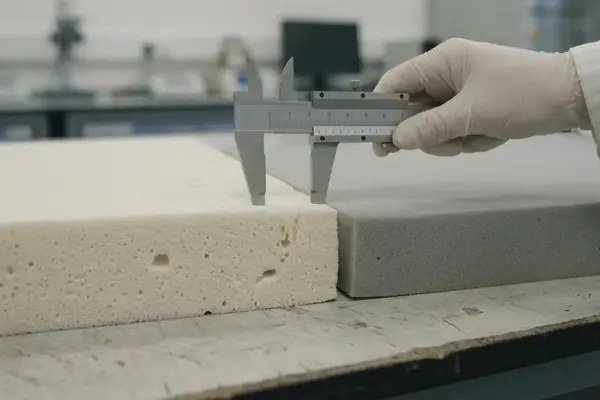
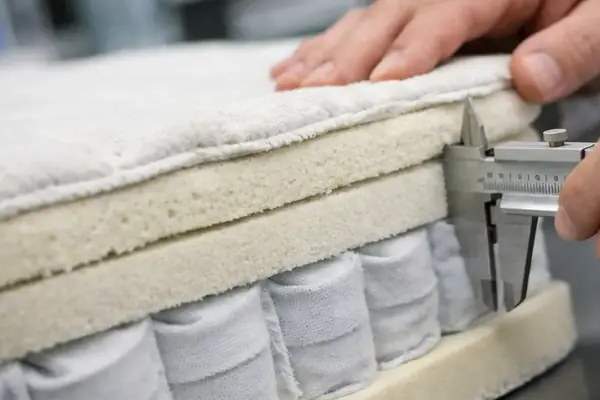
Look at the cross-section of a typical mattress in this category. You will consistently find 1.5 to 2 inches of memory foam in the comfort layer resting directly on a 1.8 pounds per cubic foot (PCF) polyurethane base foam. These numbers dictate the entire physical response of the bed. Manufacturers allocate their strict material budget by maximizing the thickness of that inexpensive polyurethane core. They limit the expensive viscoelastic material to a single, thin top layer rather than building complex transition zones.
This two- or three-layer construction fundamentally alters the depth of contouring available to the sleeper. Premium models utilize intermediate layers of varying densities to create a gradual transition from soft contouring to rigid support. Budget models force an abrupt transition. A thinner memory foam profile restricts how far the material can adapt to the body before the sleeper encounters the rigid base layer.
The 1.8 PCF base foam provides adequate structural resistance for basic use, but it lacks the nuanced yield required for optimal spinal alignment in heavier individuals. With no dedicated transition layer, the top foam must perform double duty. It attempts to provide both initial pressure relief and secondary support simultaneously. In practice, a single layer of viscoelastic material cannot effectively manage both tasks. The cellular structure compresses too quickly under localized weight, leaving the sleeper resting directly against the unyielding polyurethane core.
Engineering Trade-offs and Omitted Features
Product developers constantly weigh the inclusion of advanced thermal regulation against maintaining structural integrity. Copper-infused memory foam has been tried at this price tier and generally abandoned, since the added material costs push base layer density below acceptable support thresholds. Prioritizing shipping weight and basic comfort over advanced cooling is the standard industry compromise.
Thermal regulation suffers heavily under these constraints. Memory foam naturally absorbs and retains body heat due to its dense cellular structure. Without phase-change materials or active cooling infusions, the mattress relies entirely on passive airflow. Cover materials, as a result, tend to be standard polyester blends rather than breathable organic cotton or specialized performance fabrics. Polyester traps ambient heat, compounding the natural heat-retention properties of the foam beneath it.
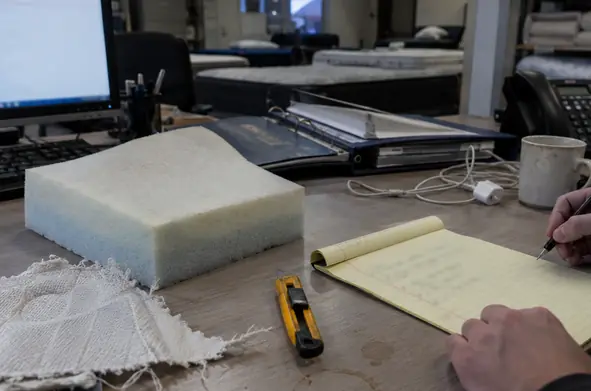
Edge support also takes a significant hit in this price bracket. The perimeter of the mattress will compress heavily when sitting on the side of the bed. High-end models reinforce these perimeters with high-density foam rails or heavy-gauge steel coils. Sub-$800 models rely entirely on the uniform block of 1.8 PCF polyurethane, which yields uniformly under concentrated edge weight.
That reduces the usable sleep surface, forcing sleepers toward the center of the mattress to maintain a feeling of security.
Degradation Cycles in Lower-Density Foams
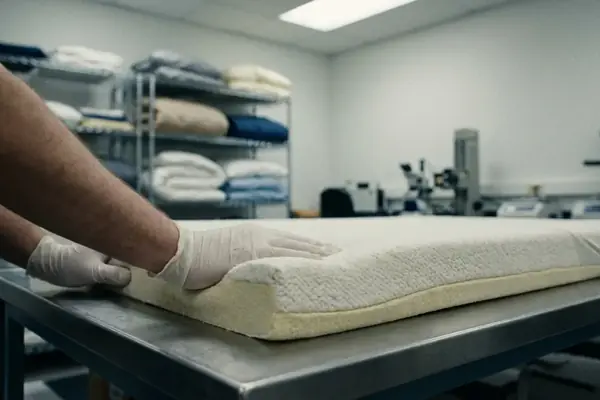
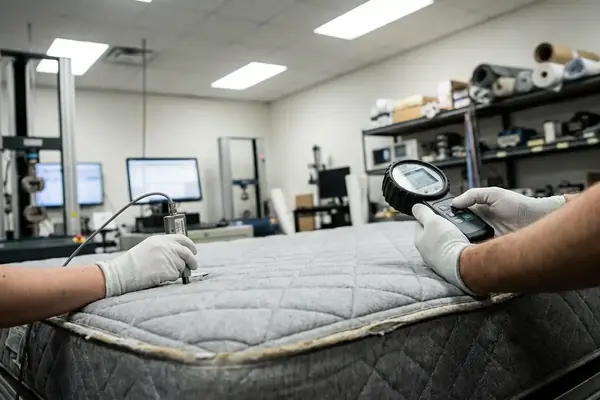
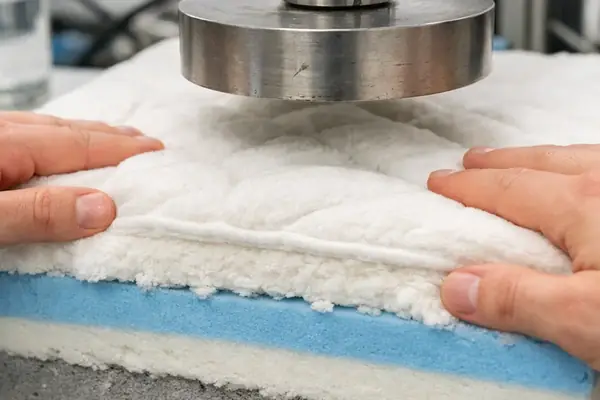
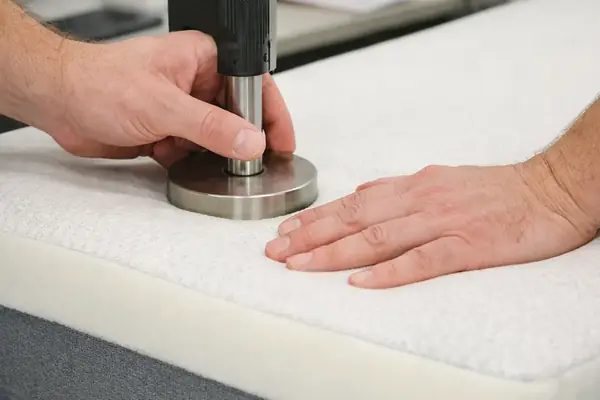
Lower-density foams soften at an accelerated rate compared to their high-density counterparts. Testing facilities measure foam degradation by simulating nightly use, observing how these materials lose their cellular rebound capability after repeated compression cycles. Those results point to a functional lifespan of 36 to 48 months before noticeable softening occurs. Beyond this window, sleepers frequently encounter permanent body impressions exceeding 1.5 inches.
The cellular structure of budget memory foam features thinner cell walls that fatigue under sustained mechanical stress. As these walls micro-fracture over thousands of sleep cycles, the foam loses its ability to push back against body weight. The initial plush feeling degrades into a permanent depression that traps the sleeper in a compromised postural position.
However, this timeline assumes ideal usage conditions. Sub-$800 polyurethane base foam compression failure happens even faster if the mattress lacks proper foundational support or bears excessive weight. The base layer dictates the overall longevity of the mattress. Once the 1.8 PCF core begins to sag, the upper memory foam layers simply follow the depression, rendering the bed ergonomically useless. Shoppers must factor in this shorter replacement cycle when calculating the true long-term cost of a budget mattress.
Biomechanical Compatibility with Thin Comfort Layers
Sleep ergonomists map pressure points across different body types to determine how much sinkage a mattress can safely accommodate. The thin comfort layers in budget models only provide enough sinkage for lighter frames before the sleeper bottoms out against the firm transition foam. Specifically, sleepers weighing under 130 pounds are best positioned to benefit from these beds. They can achieve adequate pressure relief without pushing through to the core.
The 1.5-inch memory foam comfort layer threshold for side sleepers becomes a critical metric here. Side sleeping concentrates the entire body weight onto the narrow surface area of the shoulders and hips. A 1.5-inch layer simply cannot compress deeply enough to cradle these joints before hitting the unyielding polyurethane base. Heavier side sleepers will almost certainly experience joint pain and restricted blood flow.
Stomach and back sleepers face a different set of biomechanical challenges on budget foam. While they require less deep contouring than side sleepers, they demand robust lumbar support to prevent the hips from sinking out of alignment. The thin comfort layer provides adequate initial support, but the rapid degradation of the lower-density foam quickly compromises spinal neutrality.
This weight-to-thickness ratio also applies exclusively to solid foundation setups. Slatted frames with gaps wider than three inches will cause the thinner base foams to sag prematurely. The lack of structural rigidity in budget base foams makes them highly susceptible to extruding through wide slats. A solid platform or a closely slatted foundation is mandatory to extract the maximum lifespan from these entry-level materials.
Economic Thresholds for Orthopedic Support
Chronic pain sufferers require precise contouring and sustained support that only higher-density, multi-layered foam configurations can provide. Couples with significant weight disparities similarly need the advanced motion isolation and structural stability found above the budget tier. When one partner weighs significantly more than the other, a budget mattress will often tilt, creating a roll-together effect that disrupts sleep.
Analysts calculate the total cost of ownership by comparing the replacement frequency of budget models against the extended lifespan of premium multi-layer configurations. Buying an $800 bed every three years quickly outpaces the cost of a single high-quality mattress that lasts a decade. The initial savings evaporate when factoring in the physical discomfort of sleeping on degraded foam and the logistical hassle of frequent replacements.
The orthopedic cost of sleeping on a compromised surface often exceeds the financial savings. As the foam degrades and permanent impressions form, the sleeper's spine is forced into unnatural curvatures for eight hours a night. This sustained misalignment exacerbates existing joint issues and creates new muscular tension.
Will you accept the guaranteed replacement cycle of a budget mattress, or does your physical health justify the upfront cost of a decade-long sleep solution?




No comments.