

Setting the Baseline for Your Sleep Trial
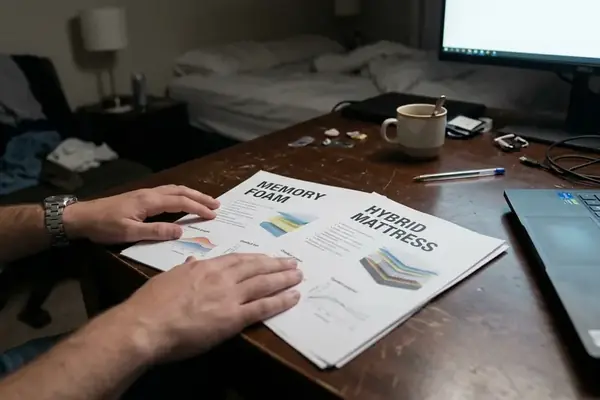
How many nights does it actually take for your body's musculoskeletal system to adapt to a new memory foam mattress? Treat your sleep trial as a functional testing period. Establishing the testing baseline requires prioritizing musculoskeletal adaptation over subjective comfort. This approach focuses entirely on the physical interaction between your body weight and the foam density. Over the coming weeks, you will test specific variables: foam cellular breakdown, spinal alignment, and thermal regulation.
Evaluating a Loom and Leaf mattress demands methodical observation. Your spine, hips, and shoulders have likely spent years compensating for a previous sagging sleep surface. Introducing them to proper support triggers a physical realignment phase. The muscles supporting your lumbar region must learn to relax into the new contouring layers. High-density foams possess a higher physical mass per cubic foot, meaning they offer superior long-term durability but demand a longer initial adjustment window. Your body must physically condition the sleep surface, compressing the top layers night after night until they map to your specific anatomical contours.
Navigating the Initial Break-In Period
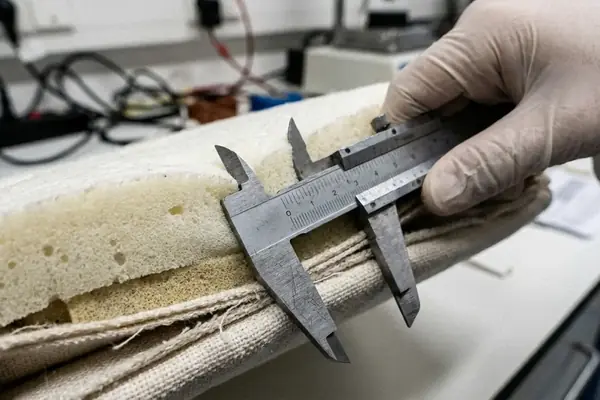
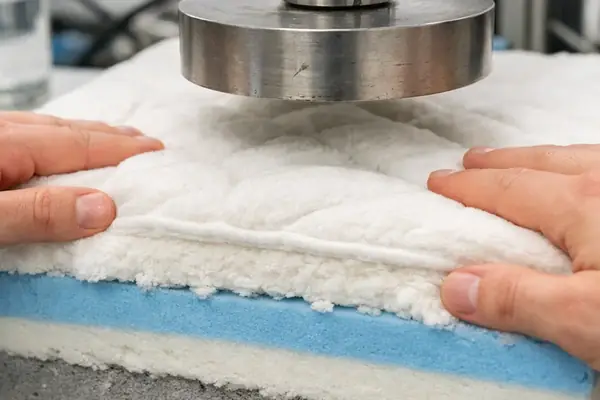
High-density viscoelastic cells require sustained mechanical compression and thermal exposure to soften. During the first few weeks, the cellular structure of the memory foam undergoes significant physical changes. The microscopic struts within the foam cells begin to flex and stretch under your body weight. This mechanical fatigue is a necessary part of the break-in process, transforming a rigid factory-fresh block of foam into a responsive sleep surface.
The viscosity of the memory foam during the first few days will fluctuate significantly based on the ambient room temperature, altering the baseline firmness. A cold bedroom yields a remarkably stiff mattress on night one. As the room warms and your body heat penetrates the layers, the material becomes more pliable.
Premature Evaluation Risk: Do not initiate a return based on the first week of sleep. Off-gassing and initial foam stiffness will artificially skew your perception of the bed's long-term comfort.
You must allow the materials to stabilize. Copper-infused memory foam, in particular, needs time for its conductive particles to settle into a consistent thermal rhythm with your body. The initial off-gassing phase, where volatile organic compounds dissipate, also coincides with the stiffest period of the foam's lifecycle. Judging the mattress during this volatile window guarantees an inaccurate assessment of its true performance capabilities.
Evaluating Spinal Alignment and Pressure Relief
Evaluating spinal alignment demands objective visual evidence. Proprioception deceives you when adjusting to a new sleep surface. Your brain interprets unfamiliar support as discomfort, often signaling pain simply because the sleeping posture is new, even if it is anatomically correct.
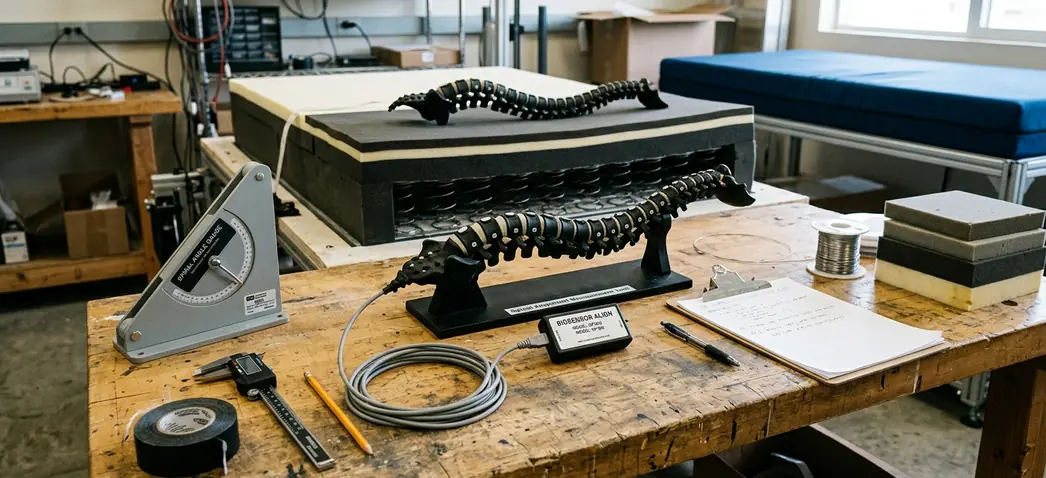
Objective Posture Check: Have a partner take a photograph of your spine from behind while you lay in your natural sleeping position. This allows you to objectively check for a straight line from your neck to your tailbone.
For side sleepers, this photograph should reveal a spine perfectly parallel to the floor. If your hips are elevated above your shoulders, the comfort layer is too firm. For back sleepers, the image must show the natural S-curve of the spine being supported without the hips sinking into a hammocking position.
Identifying pressure points in the hips and shoulders requires distinguishing between normal muscle adjustment soreness and actual mattress pushback. Adjustment soreness typically presents as a dull, generalized ache that fades shortly after waking. Mattress pushback creates localized, sharp discomfort that wakes you up in the middle of the night. Pay close attention to your shoulders if you sleep on your side. The foam must allow enough sinkage to prevent your shoulder blade from jamming upward into your neck, which restricts blood flow and causes numbness in the arms.
Testing Thermal Regulation and Perimeter Support
To accurately measure thermal regulation, maintain continuous body contact long enough for heat buildup to become noticeable. This allows the foam's phase-change materials to approach their absorption capacity. Gel-infused memory foam absorbs heat up to a specific threshold before it begins reflecting it back toward your skin. You need to find that threshold to determine if the mattress will sleep hot throughout the night.
Once the thermal capacity is reached, evaluate how quickly the mattress dissipates that heat when you roll over. A high-performing foam will shed the trapped heat rapidly, while lower-quality materials will create a lingering hot spot that disrupts your sleep cycles.
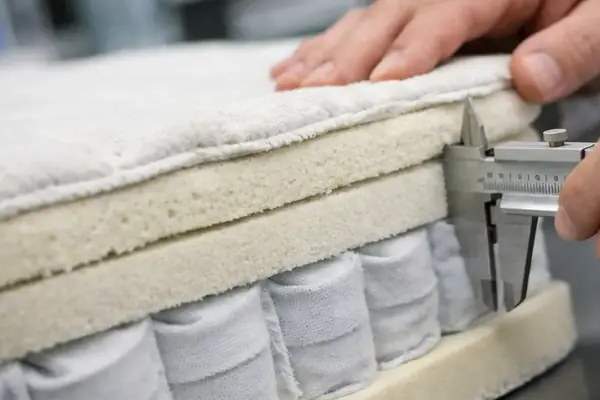
Next, test edge support by sitting on the perimeter and lying near the edge to check for roll-off sensations. Edge support evaluations on all-foam models are inherently limited to the top comfort layers, as base foams behave differently under concentrated perimeter weight than hybrid coil systems. When you sit to tie your shoes, expect some compression. The true test occurs when lying directly near the edge. The mattress must hold your body parallel to the floor without sloping downward. If you feel the sensation of rolling out of bed, the perimeter density is insufficient for your weight.
The Post-Break-In Evaluation Checklist
After the initial break-in period, you must isolate chronic physical symptoms from temporary adjustment soreness. The foam has reached its operational baseline, and any discomfort you experience now is likely a permanent feature of the mattress's interaction with your body.
Evaluation Criteria
- Assess Morning Stiffness: Log any lumbar or shoulder stiffness immediately upon waking.
- Track Sleep Interruptions: Count the number of times you wake up specifically due to temperature or pressure discomfort over several nights.
- Test Foam Responsiveness: Note how quickly the material recovers its shape when you change positions.
Critical Failure Metrics: If morning stiffness persists and sleep interruptions remain constant after the break-in period, the mattress is failing to support your specific body type.
Document these issues meticulously. Take photos of any visible sagging without weight on the bed, using a broom handle or straight edge across the surface to measure the depth of the depression. Keep detailed notes on your sleep quality, specifically logging the time of night you wake up and the location of the pain. This documentation streamlines the return process with the manufacturer and provides concrete evidence that the product failed your functional trial.
Making the Final Call
A mattress must serve the sleeper's body mechanics. If you are still experiencing acute lumbar pain well into the trial due to insufficient sinkage depth, the foam is unlikely to adapt further. Initiate the return immediately—do not wait until the end of the trial hoping the foam will miraculously change.
Prolonging the trial only subjects your spine to unnecessary stress and risks developing chronic pain patterns. The purpose of a sleep trial is to establish a hard cutoff for returns rather than waiting out the full trial period in discomfort. You have gathered the data, tested the thermal limits, and evaluated the alignment. Trust the physical evidence. Box up the mattress and find a sleep surface engineered for your specific structural needs.




No comments.