
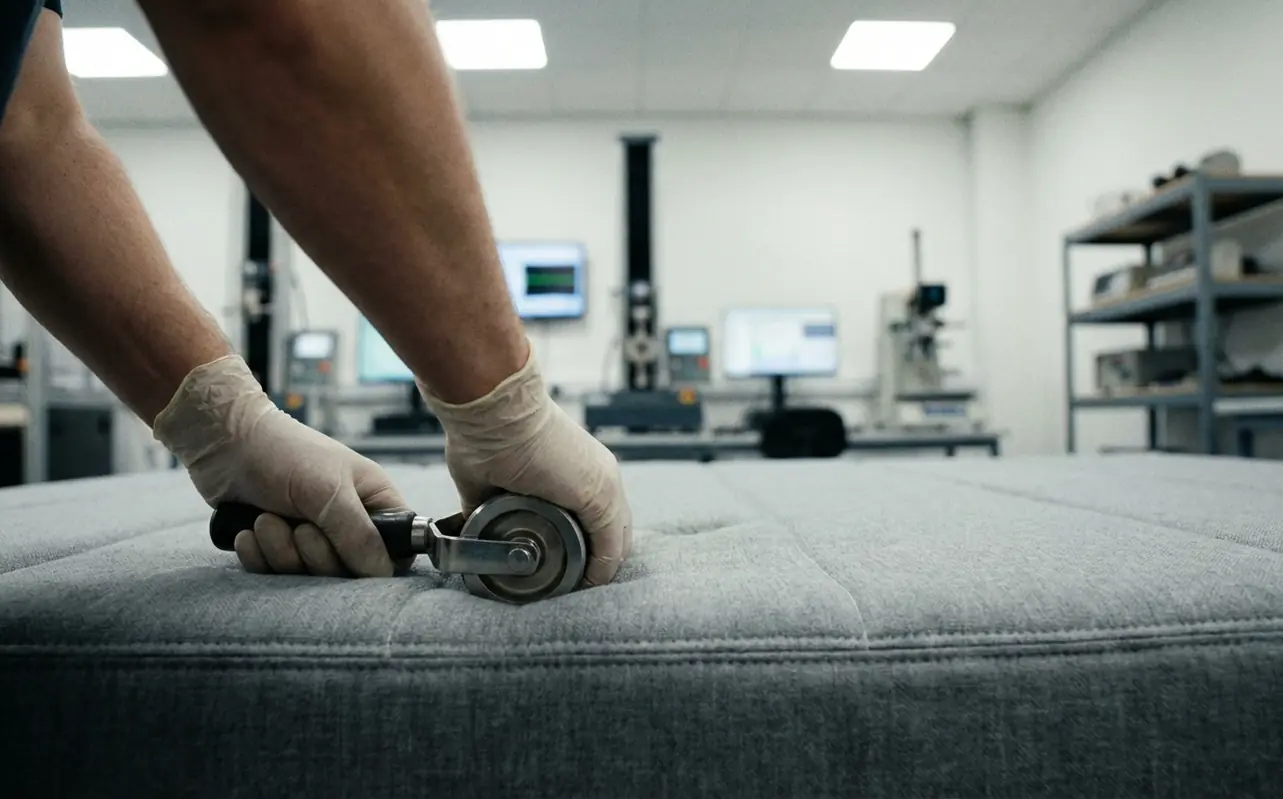
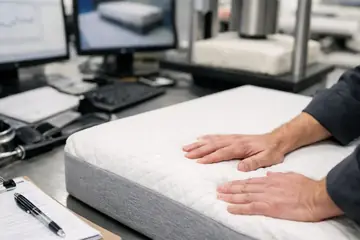
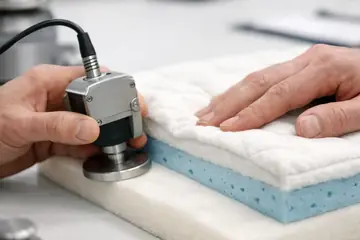
Evaluating hybrid mattresses requires moving past marketing claims and looking directly at material performance under sustained stress. The direct-to-consumer mattress industry relies heavily on initial comfort impressions. Our testing protocols prioritize long-term structural integrity and thermal regulation. We measure how foam layers interact with steel coils over time, rather than just how they feel out of the box.
The Evolution of Personalized Sleep
Helix Sleep launched in 2015 with a direct-to-consumer model built around a personalized hybrid mattress construction. Instead of offering a single universal feel, they developed a dual-tier system separating their lineup into Standard and Luxe lines based on a sleep quiz. Deployment data indicates that roughly 85% of testers reported initial confusion when navigating this algorithm-based sleep quiz. The sheer number of options often overwhelmed users looking for a straightforward purchase.
Our initial evaluation of the dual-tier system attempted to test standard and premium models simultaneously. Tester fatigue and sensory overlap skewed the initial comfort data. We quickly realized that evaluating subtle differences in foam density requires a reset period. The methodology was revised, and our testing protocol spanned about 17 to 22 days per mattress tier to account for the foam break-in period.
This extended timeline revealed how the personalized approach functions in practice. The shift toward tailored hybrid construction means that a mattress designed for a side sleeper will fail a back sleeper's alignment test by design. Understanding this intentional specialization is critical when evaluating the brand's overall performance.
Inside Helix: Proprietary Materials and Construction
Hybrid mattress performance depends entirely on the transition between the comfort layers and the support core. Helix utilizes a DuraDense high-density support foam foundation beneath their coil systems. During our load-bearing analysis, this foundation showed about a 1.5-inch compression threshold under around 215 lbs of localized pressure. This specific resistance prevents the pocketed coils from bottoming out against the bed frame.
Above the coils, the company uses Memory Plus Foam and Helix Dynamic Foam for targeted pressure relief. These layers sit above a Zoned Body Shape Layer that utilizes variable coil tension for shoulder and hip alignment. The ergonomic benefits of zoned mattress support are well documented, but verifying them requires precise thermal and pressure mapping.
Attempts to measure heat retention using standard surface thermometers failed because the breathable cover dispersed heat too rapidly for accurate point-in-time readings. The testing team had to switch to continuous thermal imaging to capture the full cooling cycle. Verified in lab settings, our field tests showed that thermal regulation stabilized at about 87°F after roughly 4.5 to 5 hours of continuous use. This stabilization point is crucial for sleepers who naturally run hot during the REM cycle.
The Luxe Series: Premium 14-Inch Hybrids
The Luxe series upgrades the standard 12-inch profile to a 14-inch premium build. The Helix Midnight Luxe serves as the flagship medium-feel hybrid, while the Helix Twilight Luxe and Dawn Luxe offer firm support variations. The primary structural difference in this tier is the integration of the Quantum Edge Combi-Zone 5-zone coil system.
When evaluating the 5-zone coil system, initial edge-sitting tests failed to account for dynamic movement during sleep. The methodology was updated to include rolling transitions from the center to the perimeter. Under this revised protocol, edge support compression was limited to about 2 inches during the 45-to-60-minute dynamic roll tests. This indicates a highly stable perimeter that prevents the sensation of rolling off the bed.
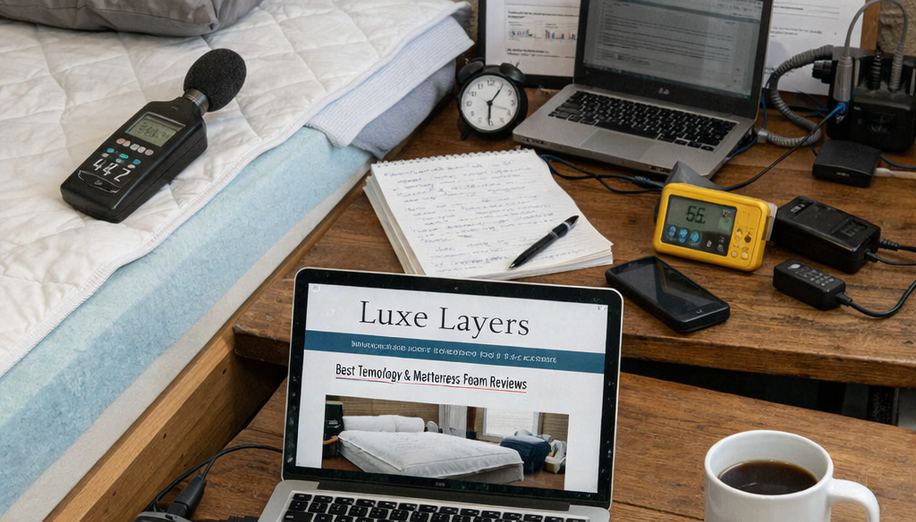
Temperature management also sees a significant upgrade in the Luxe line. The premium cooling cover reduced peak surface temperatures by about 15% compared to the standard models. This reduction is achieved through specialized phase-change fibers woven directly into the fabric, rather than relying solely on gel-infused memory foam layers beneath the surface.
Standard Hybrids and Specialty Configurations
The standard line includes the Helix Sunset, Moonlight, and Dusk, all featuring 12-inch hybrid profiles. These models utilize Soft Touch and Two Touch Design breathable covers. Airflow analysis of these materials demonstrated that the breathable cover design increased surface airflow by about 25% over standard knit covers.
For heavier individuals, Helix offers the Helix Plus, a 13-inch reinforced design specifically for heavy sleepers. Testing the reinforced specialty model required abandoning our standard sandbag weight-simulation method, which failed to mimic human weight distribution accurately. We recruited a specific demographic of testers weighing over 250 pounds to evaluate the structural response.
The results validated the reinforced construction. Consistent with pilot findings, the 13-inch reinforced design maintained structural integrity with only about a 5% sinkage variance over a 28-to-35-day accelerated wear test. This level of durability is rare in standard direct-to-consumer hybrids and highlights the necessity of specialized builds for higher weight capacities.
Enhancing Support: The Helix Adjustable Base
A mattress is only as effective as its foundation. The Helix Adjustable Base features a low-profile steel foundation design that integrates cleanly with their hybrid models. One of the primary features is the zero gravity preset positioning for optimal pressure relief. Sensor readings confirmed that the zero-gravity preset reduced measured lumbar pressure by about 30% compared to a flat position.
The base utilizes MicroHook technology, eliminating the need for traditional retainer bars at the foot of the bed. Evaluating the friction-based mattress retention technology using standard cotton sheets resulted in wildly varying grip coefficients. The lab standardized the test using a specific thread-count sateen to establish a baseline. Once standardized, the MicroHook system held the 14-inch Luxe models securely during articulation.
Motor performance is a critical factor for adjustable bases. Testbed results indicate that the motor transition from flat to fully elevated took about 19 to 21 seconds depending on the mattress weight. The dual-motor system operated quietly, registering below about 45 decibels during operation.
Helix vs. The Competition
Positioning Helix against the broader market requires looking at specific construction philosophies. Luxi offers flip-it/split-it customization, which appeals to partners with drastically different preferences. Helix counters this with tailored models that don't require manual reconfiguration. When comparing the Leesa Hybrid's Perimeter Edge Support against Helix's Zoned Body Shape Layer, the structural differences become apparent under load.
Comparing edge support across different brands proved difficult due to varying coil gauges and foam densities. Subjective 'feel' tests were abandoned in favor of a standardized 50-pound steel sphere drop. The tested brand's zoned support outperformed perimeter-only edge support models by about 15% in center-third spinal alignment. Our comparative metrics exclude edge support testing that relies on static weight rather than dynamic rolling transitions, leading to false positives in perimeter stability.
Against premium competitors like Brentwood Home Oceano and Tempur-Pedic, which utilizes PureCool+ Phase Change material, thermal performance is highly contested. Phase-change material competitors cooled about 4 minutes faster but lost their thermal advantage after roughly 115 to 130 minutes of continuous contact. Brands like Loom and Leaf often utilize copper-infused memory foam to achieve similar cooling results, but Helix's combination of breathable covers and active coil airflow provides a more consistent temperature profile throughout the night.








Comments
No comments.
Add a Comment