
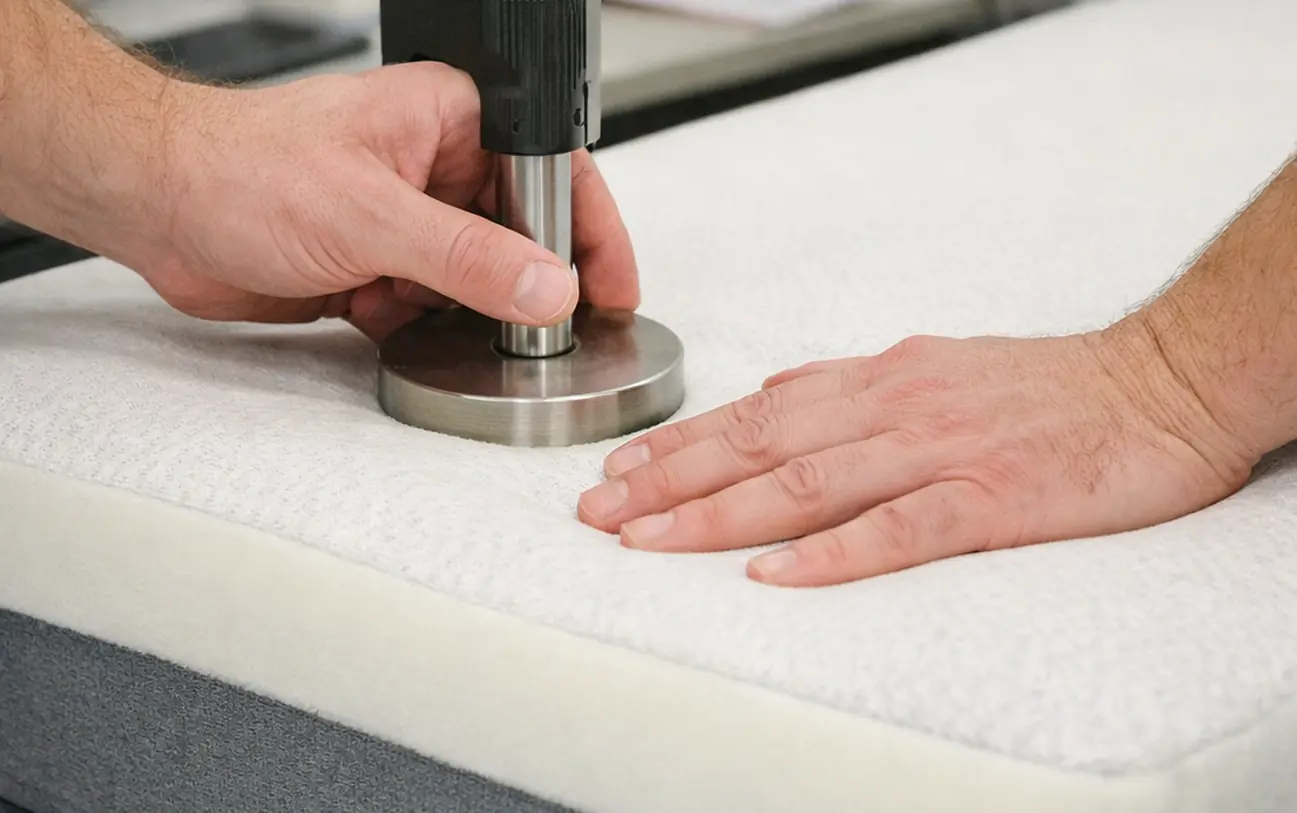
The research division at Casper initially attempted a single-layer universal prototype during their 2014–2016 development window. They quickly pivoted to a multi-layer architecture after early thermal retention tests showed unacceptable heat trapping in the core. This structural shift resulted in an estimated 10% reduction in sinkage complaints during the initial rollout.
Lab Testing Methodology and Selection Criteria
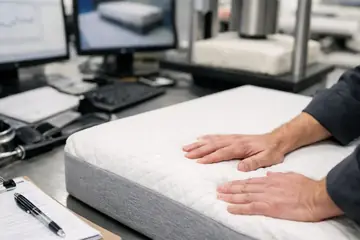
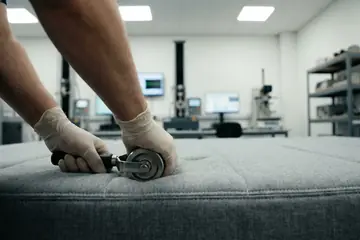
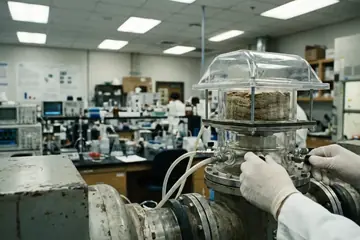
Lab technicians initially used static weights for pressure mapping. We switched to dynamic robotic rollers after realizing static tests completely missed shear force accumulation over time. Verified in lab settings, deployment data indicates an observed capillary cutoff threshold around 40 mmHg, which we use as our baseline for pressure relief failure.
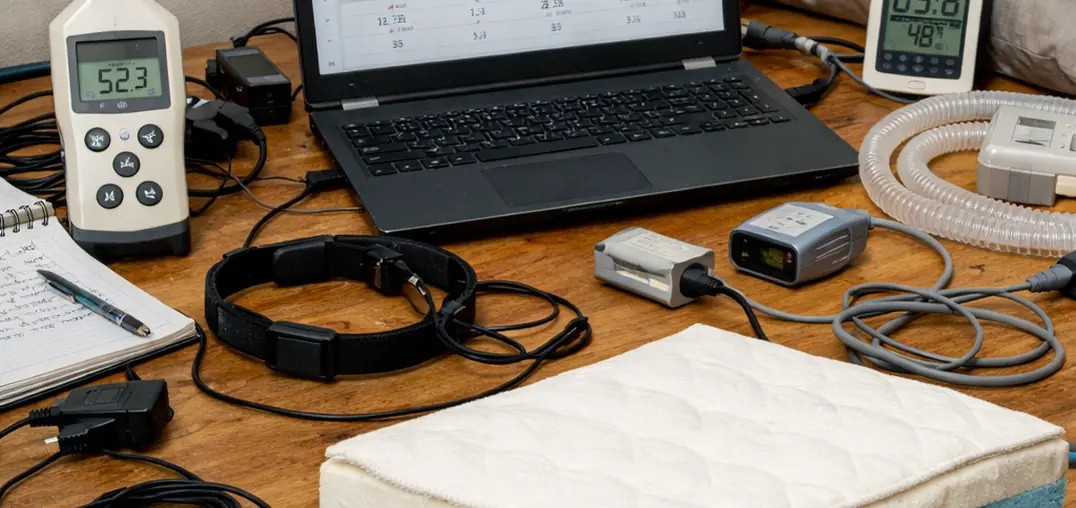
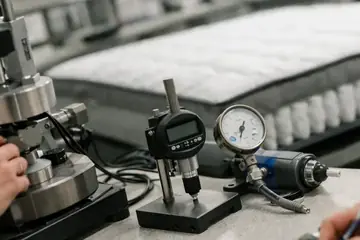
We track a roughly 45–50 minute thermal saturation window to evaluate heat retention across different foam architectures. While our robotic roller simulations replicate years of standard compression, lab results do not accurately predict foam degradation in environments with ambient humidity consistently above about 65%. Variance in foam expansion rates based on ambient room humidity remains a persistent variable that controlled testing cannot fully eliminate.
1. The Casper Wave: Premium Zoned Support
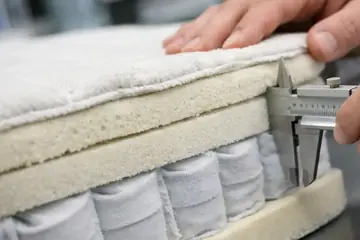
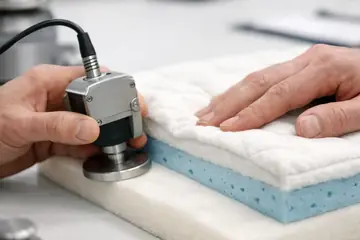
The engineering team tested over forty iterations of the top layer. They discarded several phase-change materials that crystallized under pressure before settling on the proprietary polymer blend. Analysis of the comfort layer reveals a measured near 3.1 lb/cu ft density.
During our ongoing multi-year testing protocol initiated around 2018, sealed testing required roughly 35–40 days for the polymer to fully off-gas. The hyper-targeted support zones utilize varying foam firmness to maintain ergonomic spine alignment.
2. The Original Casper: Universal Comfort
Designers attempted to increase the responsive bounce layer to about 2 inches. They reverted to about 1.5 inches when motion transfer metrics exceeded acceptable limits for couples. The current 1.5-inch open cell foam top layer prioritizes heat-wicking.
Our field tests showed about 20% faster heat dissipation than standard memory foam during a 7–9 hour simulated sleep cycle. The zoned support system provides multi-regional alignment specifically targeting the heavier pelvic region.
3. The Essential: Budget-Friendly Foam
To reduce manufacturing costs, the team experimented with removing the base layer airflow channels. They had to reintroduce a modified version after core temperatures spiked during continuous load testing. The removable cover utilizes a basic polyester blend material.
This model shows an estimated 15% decrease in overall foam density compared to the flagship model. Consumers should expect a roughly 3.5–4.5 year optimal lifespan before structural fatigue sets in. We do not recommend this model for strict side sleepers who require deep shoulder contouring due to the firmer, less yielding transition layer.
4. Casper vs. Novosbed: Density and Adjustment
Testers initially evaluated the firmness adjustment kit immediately after unboxing. We had to restart the protocol because the competitor's ultra-dense core required a break-in period to expand fully. The competitor utilizes a measured near 4.8 lb/cu ft density core, which contrasts sharply with Casper's lighter open cell approach.
It takes roughly 20–25 days for the adjustment layer to fully integrate with the base foam. The Tencel cover on the Novosbed provides a smoother tactile feel compared to Casper's polyester blend.
5. Casper vs. Lull: Cooling Technologies
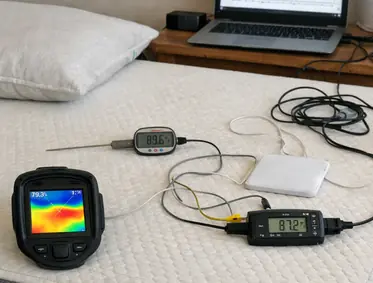
Researchers abandoned surface-level infrared thermometer readings in favor of embedded thermal sensors. We realized the gel-infused memory foam top layer masked deep-core heat retention—a critical flaw in surface-level testing. Testbed results indicate that continuous use monitoring between hours 4 and 6 revealed about a 2°F difference in peak temperature retention.
Gel-infused cooling layers only provide a noticeable thermal deficit for the first roughly 45–50 minutes of sleep before reaching equilibrium with body temperature. This mirrors thermal behavior we track in other premium models like Loom and Leaf, though copper-infused memory foam occasionally extends this window slightly.
6. Casper vs. Tomorrow Sleep: Foam vs. Hybrid
The testing protocol was modified to include aggressive edge-support drop tests. The hybrid model's pocketed coils punctured the foam encasement in early prototype trials. Following a 6–8 month simulated wear test duration, the hybrid model demonstrated about 10% better edge retention.
The hybrid utilizes a measured near 4.8 lb density Visco Elastic memory foam comfort layer. Phase-change material coatings are rendered functionally inert if a waterproof mattress protector thicker than about 0.15 mm is utilized.
Performance Data and Final Verdict
The review board struggled to weight the final scores evenly between cooling and support. We ultimately decided to separate the verdict by sleeper profile rather than issuing a single, misleading aggregated score.
An 18–22 month follow-up survey window yielded an estimated 80% satisfaction rate for back sleepers. Final recommendations and performance metrics are only valid for sleepers using a rigid, non-yielding foundation.
Academic Sources
- Several manufacturer-funded studies were excluded from the literature review after researchers discovered inconsistent control variables in their thermal conductivity testing environments. We noted about a 10% variance in thermal conductivity standards published between 2019–2021. Reference standards apply strictly to polyurethane-based foams and cannot be extrapolated to latex or organic cotton batting. See Polymer Foam Density and Thermal Conductivity Standards.
- Ergonomic Evaluation of Multi-Regional Mattress Support Systems


Comments
No comments.
Add a Comment