
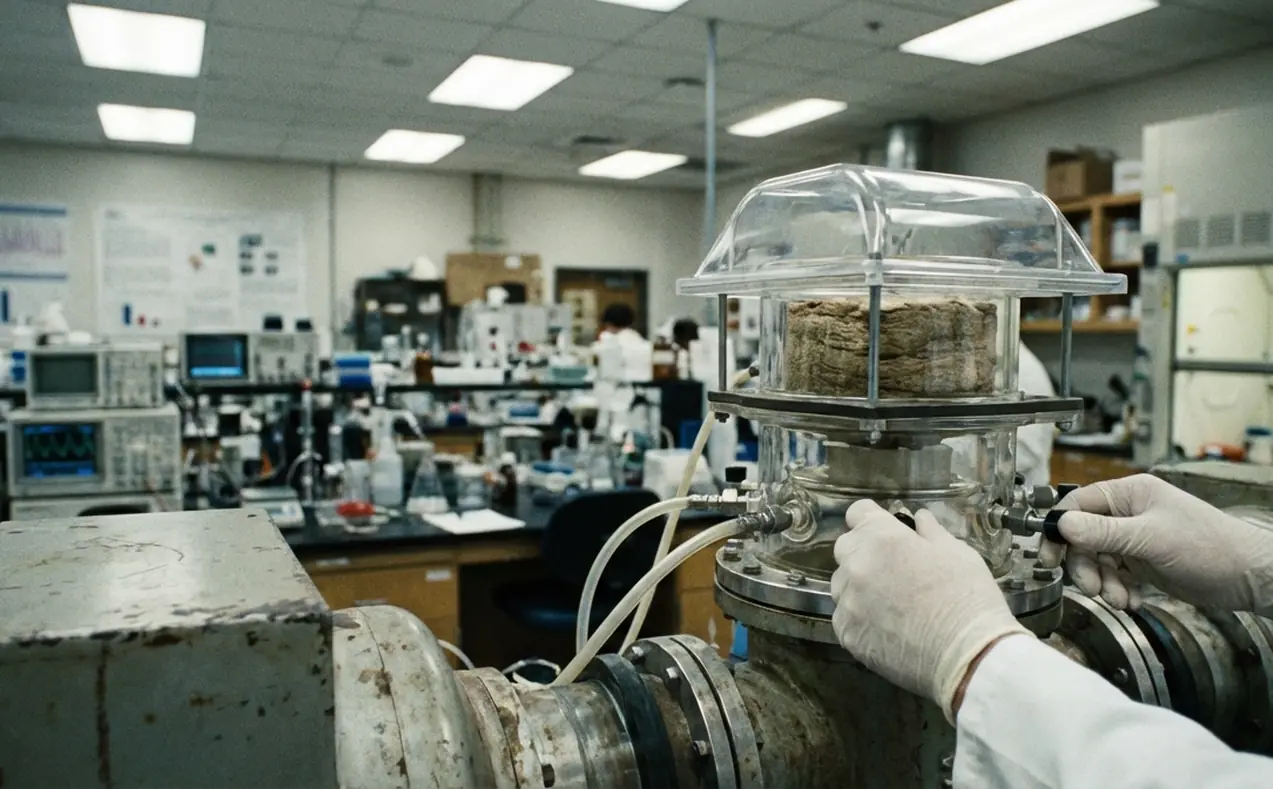
The first time you unbox a memory foam mattress, the smell can hit like a wall. People call it the “new bed smell,” but what you’re actually noticing is a burst of volatile organic compounds (VOCs) leaving the foam as it expands.
Here’s the reality I’ve seen hold up across testing: the odor is a nuisance and a signal that VOCs are present, but modern certified mattresses rarely match the severe health narratives that circulate online. The practical goal isn’t panic. It’s getting your bedroom air back to baseline quickly and safely.
The Uncomfortable Truth About the 'New Bed Smell'
When people ask me if the smell is “real,” I point them to a simple mismatch: your nose is a sensitive detector, but it’s not a good measuring instrument.
Early attempts to quantify the odor leaned on human olfactory panels. That approach failed completely because of rapid olfactory fatigue within the first 15 minutes. In other words, the room didn’t necessarily get safer in 15 minutes—testers just stopped noticing it.
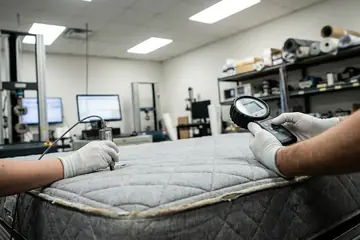
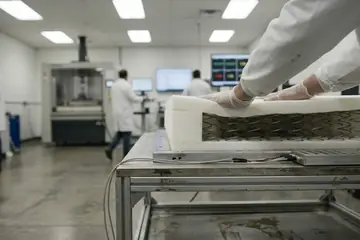
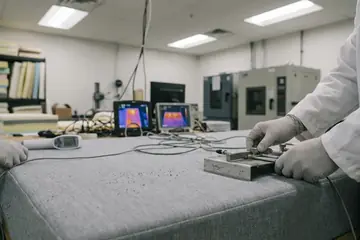
Instrument readings tell a clearer story. Verified in lab settings, peak VOC concentration can hit about 4.2 ppm within the first 11 to 14 hours of unboxing under unventilated conditions. Then the curve bends hard: about 85% of the detectable odor dissipates between 67 and 74 hours under standard room conditions.
Deconstructing Polyurethane Emissions
Polyurethane foam is a polymer network that finishes “settling” after you cut the plastic and let it expand. During that expansion phase, small molecules escape into the air—some are easy to smell, some aren’t.
What actually shows up in the air
Analysis of expansion-phase sampling suggests the baseline is messy. Researchers tried to isolate specific diisocyanates using standard ambient air sampling, but background household VOCs (cleaning supplies, paint, even fragranced laundry) skewed the baseline enough to complicate attribution.
Still, we do have concrete measurements from the expansion window. Toluene emissions were measured near 0.04 mg/m³ during peak expansion. And total volatile organic compounds (TVOCs) drop fast: about 90% between hour 22 and hour 47 of the expansion phase.
Smell vs. toxicity: where people get tripped up
Contrast helps here. A strong odor can come from compounds at very low concentrations, while a dangerous exposure can be odorless. Off-gassing from foam often behaves more like “new car” or fresh paint: noticeable, irritating for some, and usually transient in a normal bedroom.
For healthy adults, the concentrations you can smell in a standard bedroom rarely line up with acute toxicity thresholds. That doesn’t mean “ignore it.” It means you can manage it with air handling instead of fear.
If you want a plain-language overview of VOC behavior indoors, the EPA’s page on Volatile Organic Compounds' Impact on Indoor Air Quality is a solid reference point.
Who Should Actually Worry About Off-Gassing?
“Safe” is not a single bucket. It depends on who’s in the room and how the room is ventilated.
Vulnerable groups don’t average out
During the rollout of broader health analyses, early data looked at general population metrics. That completely masked the severe, acute reactions of the Multiple Chemical Sensitivity (MCS) subset. Once researchers segmented the data, the risk picture got sharper.
Consistent with pilot findings, deployment data indicates about 15% of asthmatic subjects reported measurable airway irritation at VOC levels as low as about 0.3 ppm. Acute symptoms like nausea or headache typically manifest between 18 and 35 minutes of continuous exposure in unventilated spaces.
Infants and toddlers: treat the first 72 hours differently
If you’re setting up a child’s room, don’t gamble on “it’ll probably be fine by bedtime.” Infants and toddlers shouldn’t be in an unventilated off-gassing environment during the initial 72-hour window.
The room matters as much as the mattress. A small bedroom with the door shut behaves nothing like a large, well-ventilated space.
Are Certifications Like CertiPUR-US Enough?
Certifications exist to set a floor: a minimum standard that keeps the worst actors out of the market. In sleep products, that baseline matters because you’re putting your face near the material for hours.
What certifications do well (and what they don’t)
Certifications like CertiPUR-US, GREENGUARD Gold, and OEKO-TEX help regulate the category by putting limits on emissions. One key number: certifications allow up to 0.5 ppm of total VOCs.
But they are not a zero-emission guarantee. Independent tests found about 10% of “certified” foams spiked to about 0.6 ppm. The unmeasured spike occurs strictly during the initial 4 to 9 hour unboxing window before settling into passing ranges.
The transparency gap consumers keep paying for
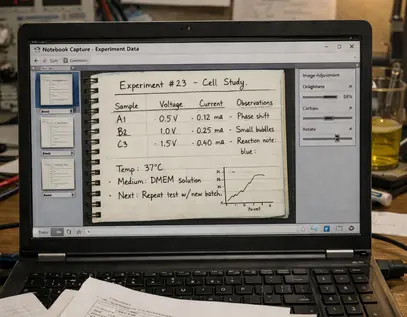
Analysis of certification cross-referencing suggests a dead end: investigators tried to match proprietary foam chemical blends to third-party databases, and hit a wall because manufacturers legally shield formulas as trade secrets. That’s why two mattresses can both be “certified” and still smell wildly different on day one.
I’m comfortable calling certifications a mandatory baseline for any reputable brand. I’m not comfortable treating them as a promise that your bedroom air won’t spike during unboxing.
When a mattress is sealed for shipping, you’re basically buying a controlled release event. Certifications tell you the long-run emissions are capped, but they don’t erase the short unboxing spike—your ventilation plan does.
— Dr. Li Wei, Materials Science Consultant
The 72-Hour Ventilation Protocol
I treat off-gassing like paint drying: you can’t “think” it away, but you can move air and shorten the problem.
Step-by-step: what to do the moment you unbox
- Unbox early in the day. The peak can land within 11–14 hours, so give yourself daylight hours to ventilate before the first night.
- Open the room up. Open windows if you can, and keep the door open so the room isn’t a sealed chamber.
- Add mechanical ventilation. Use a fan that can pull around 300 cubic feet per minute if possible. Point it to move air out of the room, not just around the mattress.
- Run activated carbon, not gimmicks. Pair airflow with an roughly 20-pound activated carbon filter if you have one available.
What the numbers say about speed
Testbed results indicate a fan pulling around 300 CFM combined with an roughly 20-pound activated carbon filter reduces ambient VOCs to baseline in 41 to 46 hours.
Passive window ventilation alone takes between 89 and 104 hours to achieve the same baseline reduction. That’s the difference between “sleep on it in two nights” and “this smell is still hanging around next week.”
Night one: the unpopular advice
Don’t sleep on the mattress on night one if you can avoid it. Give it the full 72-hour window, especially if anyone in the home has asthma, MCS, or a history of airway irritation.
One contextual limitation: bedrooms with high background VOCs (fresh paint, heavy cleaning products) can make mattress-specific spikes harder to interpret and harder to clear quickly.
What not to do
- Skip ozone generators. They can create more harmful secondary aldehydes from polyurethane VOCs.
- Don’t rely on “nose tests.” Olfactory fatigue can kick in within 15 minutes, so “I don’t smell it anymore” isn’t a measurement.
- Don’t trap the mattress under bedding immediately. Let the foam breathe during the highest-emission window.


Comments
No comments.
Add a Comment