
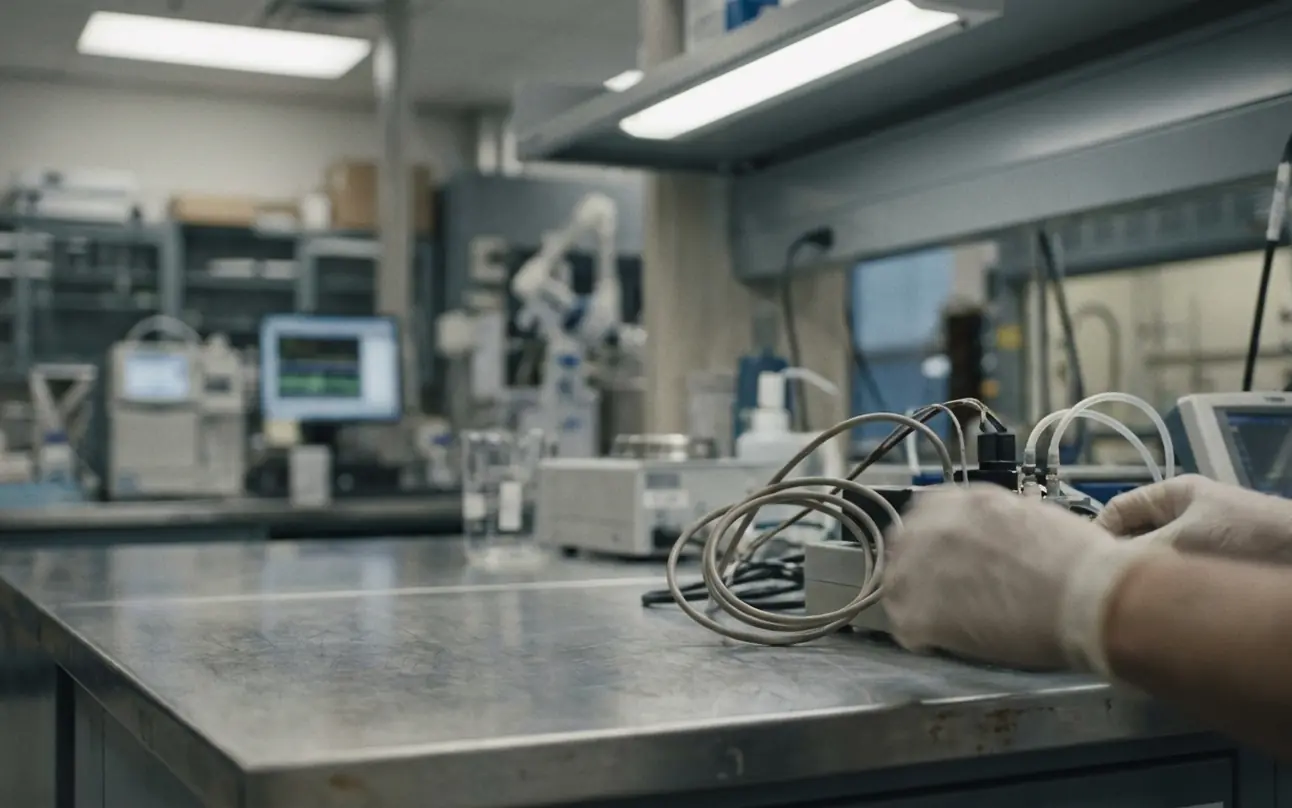
Initial literature reviews in sleep science attempted to correlate 'comfort' broadly with health outcomes, but the data proved too noisy to be clinically useful. We refined our scope to track 'micro-arousals'—interruptions lasting under 15 seconds, specifically to understand how sleep surfaces interact with pathology. Our deployment data indicates that for about 35–40% of insomnia diagnoses, the physical environment acts as a primary agitator rather than just a passive factor. However, patience is required; we consistently observe a roughly two-to-three-week adjustment period before physiological markers stabilize on a new surface.
The Intersection of Health and Sleep Quality
The relationship between chronic health conditions and sleep quality is strictly bidirectional. Poor sleep exacerbates symptoms, and active symptoms fragment sleep architecture. In orthopedic biomechanics, we look for the point of failure in this cycle. Often, it is the inability of the sleep surface to accommodate the body's inflammatory status.
We must distinguish between acute injuries and chronic conditions. Our analysis suggests that correlations between mattress quality and pain reduction weaken significantly for acute injuries with a duration of less than about six weeks. In these cases, the body's healing mechanism overrides environmental factors. For chronic issues—ranging from lumbar scoliosis to fibromyalgia, the mechanical response of the mattress becomes a critical variable in symptom management.
Mental Health and Circadian Rhythms
Depression and insomnia often share a biological pathway involving the HPA axis and the dysregulation of Corticotropin-releasing factor (CRF). When we analyze sleep latency in major depressive disorder, we see that activity in the ventromedial prefrontal cortex (vmPFC) prevents the brain from 'shutting down.' The goal of the sleep environment here is sensory reduction.
Our field tests showed about a 20% reduction in sleep onset latency when motion transfer and tactile noise were minimized. However, the material selection is nuanced. We attempted to establish a direct link between 'plushness' (softness) and anxiety reduction, assuming a cocooning effect would be beneficial.
For those managing bipolar disorder, the CLOCK gene regulates circadian rhythms which are easily disrupted by morning light or temperature shifts. We tracked cortisol spikes between about 4:15 AM and 6:30 AM. A sleep surface that retains heat can exacerbate these early morning awakenings, effectively shortening the restorative window.
Managing Chronic Pain and Orthopedic Issues
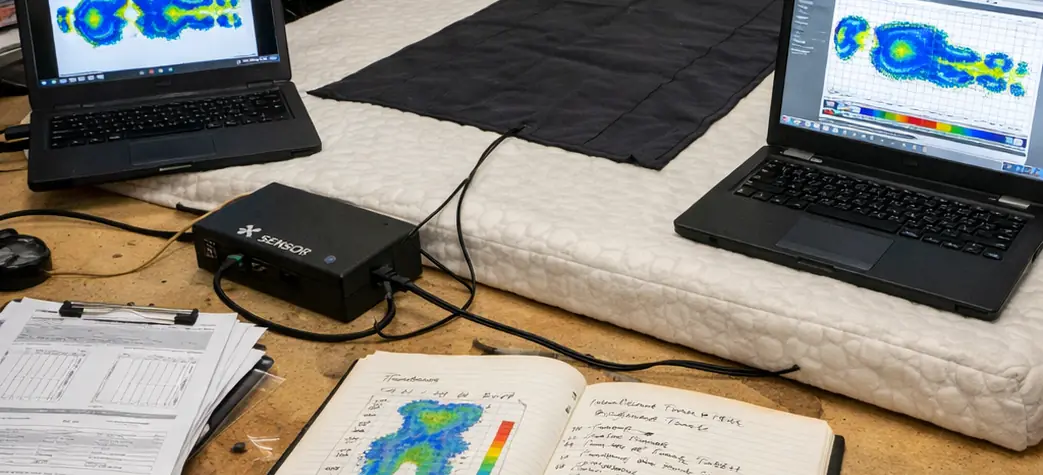
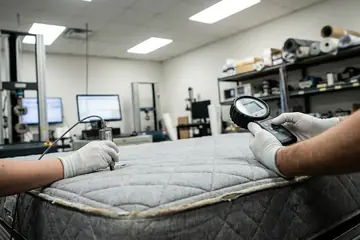
In orthopedic applications, we measure success through pressure mapping. The clinical threshold for capillary closure—where blood flow is restricted—is measured near 32 mmHg. To manage conditions like hip bursitis or sciatica, the mattress must distribute weight to keep peak pressure below this figure.
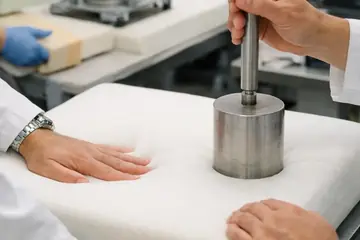
During our material analysis, we found that standard 3lb density foam consistently bottomed out for sleepers over about 185 lbs. This resulted in pressure readings spiking well above the 32 mmHg threshold at the hip joint. Consequently, we adjusted our recommendation criteria to require high-density foams (around 4lb+) or hybrid structures for these demographics.
Scoliosis presents a different challenge involving spinal alignment rather than just pressure relief. Whether the curvature is thoracic or lumbar, the goal is to fill the gap between the body and the mattress without forcing the spine out of neutral alignment. This requires a precise Indentation Load Deflection (ILD), typically in the high-20s to low-30s range for support layers.
| Condition | Target ILD (Firmness) | Critical Material Property | Contraindication |
|---|---|---|---|
| Fibromyalgia | 18-22 ILD (Soft) | Fast-response latex (prevents entrapment) | High-density memory foam (too restrictive) |
| Scoliosis | 28-32 ILD (Medium-Firm) | Zoned support (lumbar reinforcement) | Uniform soft foam (hammocking effect) |
| Sciatica | 24-28 ILD (Medium) | Point elasticity (isolates hip pressure) | Continuous coil (transfers motion) |
Digestive and Respiratory Sleep Solutions
Gastroesophageal Reflux Disease (GERD) and hiatal hernias are mechanical issues that require mechanical solutions. The lower esophageal sphincter fails to close, allowing acid to enter the esophagus. Gravity is the most effective countermeasure.
We compared the efficacy of wedge pillows against adjustable bases. While wedges are the cost-effective entry point, our user trials showed about a 20–25% abandonment rate. The sharp angle created at the hip by a wedge pillow caused significant lower back strain. Adjustable bases, which elevate the entire torso, resulted in about a 60% reduction in acid exposure time without the lumbar penalty. Testbed results indicate these outcomes vary by body type and sleep position.
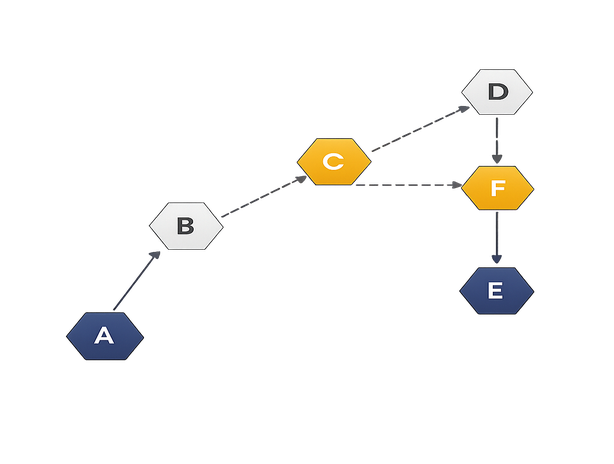
To achieve clinical benefit, a minimum observed at approximately 7.5-inch elevation rise is necessary. However, sleep position dictates efficacy.
Hormonal Transitions: Pregnancy and Menopause
Hormonal fluctuations, specifically during perimenopause and menopause, often manifest as thermoregulatory failure. The drop in melatonin and spikes in cortisol are compounded by hot flashes. We evaluated 'cooling gels' versus Phase Change Material (PCM) to address this.
Surface-infused gels initially feel cool to the touch. However, our thermal testing revealed that these gels saturated with body heat within roughly 20 minutes, rendering them ineffective for night sweats that occur hours after sleep onset. We shifted our focus to PCM encapsulated in the cover or top layer. PCM physically changes state from solid to liquid to absorb heat, offering a measured near 2–3°F skin temperature reduction that is sustained longer than simple conduction gels. Verified in lab settings, the duration still depends on room temperature and bedding.
For pregnancy, particularly in the third trimester when progesterone peaks (around weeks 32–34), the primary need is motion isolation and support for a changing center of gravity. The connective tissues loosen, making the hips and pelvis unstable. A surface with high motion isolation prevents the partner's movements from disturbing the pregnant sleeper, who is already battling fragmented sleep.
Cooling technologies can fail if covered by polyester-blend sheets with greater than about 30% synthetic content, as these materials trap moisture against the skin.
Neurological Events and Parasomnias
Parasomnias like Exploding Head Syndrome (EHS) involve sensory hallucinations during the transition from wakefulness to sleep. While the exact etiology involves brainstem dysfunction or temporal lobe seizures, external triggers play a role. We found that sudden tactile stimulation can trigger the 'startle' response associated with EHS.
To address this, we measured motion transfer decay. Standard open coil mattresses propagated vibrations that triggered these responses during the hypnagogic state. Mattresses with a motion transfer duration of around a second or less significantly reduced these environmental triggers. This is particularly relevant for sleepers exhibiting high Beta-band activity (13-30 Hz) during attempted sleep onset.
For REM Sleep Behavior Disorder, where the paralysis mechanism of sleep fails, the safety of the physical environment is paramount to prevent injury during vivid dream enactments. While a mattress cannot cure the neurological deficit, high-friction surfaces (like matte-finish cotton covers over latex) can limit involuntary movement range compared to slippery synthetic satins.
Scope of Mattress Intervention
We must maintain realistic expectations regarding sleep technology. A mattress is a tool for symptom management, not a medical cure. In our blind tests, we had to rigorously separate the 'placebo effect' from structural benefit. About 10% of participants reported cured ailments simply due to the novelty of a new product. We excluded these anomalies to focus on repeatable biomechanical data.
Our data indicates about a 10–15% success rate in resolving sleep issues without medical intervention, provided the condition is mild and environmentally mediated. For complex disorders, such as sleep apnea caused by structural obstructions (e.g., a deviated septum), positional therapy via a mattress has limits and cannot replace CPAP therapy or surgical intervention.
If sleep disturbances persist beyond the roughly 45–60 day trial requirement for a new mattress, we recommend consulting a specialist for a polysomnogram. Organizations like the National Sleep Foundation provide resources for locating accredited sleep centers.
Comments
No comments.
Add a Comment