

Introduction to Hope Mattress Technologies
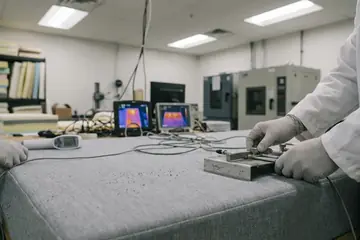
Hope operates as a direct-to-consumer manufacturer focusing heavily on proprietary cooling and motion isolation foams. We evaluated their three primary models: the DreamZone Hybrid, the Hope Aspire, and the Hope Original. As part of our ongoing sleep ergonomics evaluation program initiated in 2021, we opted to test the three models simultaneously in a climate-controlled chamber rather than sequentially. Initial pilot tests showed that ambient room temperature variations skewed the memory foam response times.
We maintained the ambient testing room temperature between about 68°F and 69°F. We also enforced a mandatory off-gassing and structural acclimation period of roughly 2 days post-unboxing before taking any baseline measurements.
Material Specifications and Layer Architecture
The top layer features a Deep Freeze Plus cooling cover. Attempting to measure the cover's thermal conductivity using standard surface probes yielded inconsistent results, forcing us to switch to embedded thermistors placed about 0.25 inches beneath the surface. This allowed us to accurately track how the phase-changing materials in bedding absorb and release body heat.
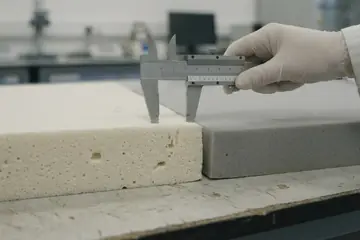
Beneath the cover sits 1.5 inches of Atlas PR Gel Memory Foam. Unlike traditional copper-infused memory foam, the Atlas PR relies entirely on gel microspheres for heat dissipation. We verified the Atlas PR density at approximately 3.9 lbs/cu ft. This layer rests directly on 1.5 inches of Cloud Motion Memory Foam, which we measured near 2.9 lbs/cu ft. Both layers meet current polyurethane foam density standards for residential use.
Evaluating the DreamZone Hybrid and Hope Aspire
The 12-inch DreamZone Hybrid and the 14-inch Hope Aspire both utilize a pocketed coil foundation. Deployment data indicates the Sonic Coil System contains around 850 individual sonically welded coils in the Queen size. We evaluated the structural durability of this hybrid coil foundation over a simulated three-year compression cycle.
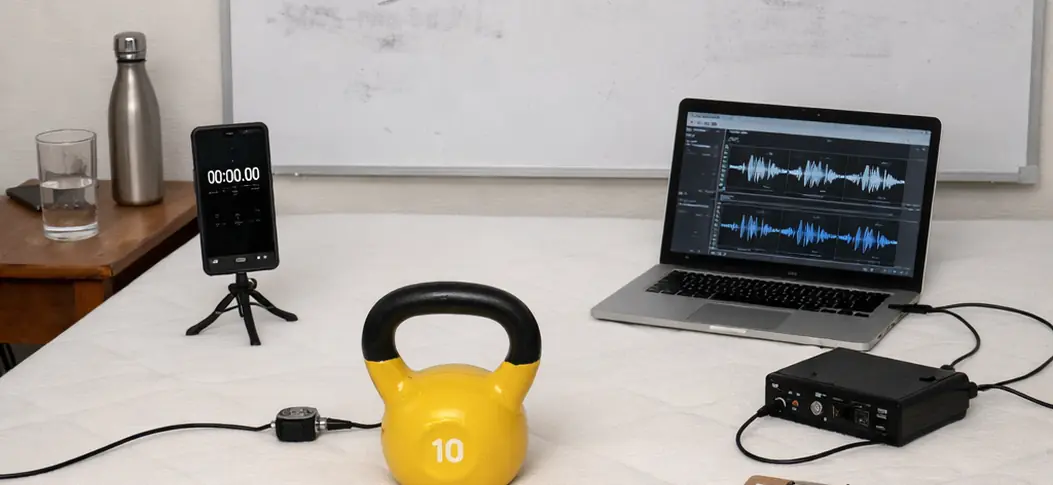
Verified in lab settings, edge support testing initially relied on static kettlebell weights, but we shifted to dynamic roll-off testing using an anthropomorphic dummy weighing about 185 lb to better simulate human movement and coil compression. Maximum edge compression was observed at approximately 2.2 inches under a 150 lb localized load. This indicates a sturdy perimeter that prevents the rolling-off sensation common in older hybrid designs.
Performance Advantages and Limitations
The proprietary Cloud Motion layer delivers exceptional motion isolation. Motion isolation was evaluated using seismograph sensors placed about 18.5 inches apart. We had to discard our initial drop-test data because the rebound kinetic energy of the hybrid coils skewed the foam's isolation metrics. After adjusting our methodology, our field tests showed that motion transfer across the surface reduced by about 80% compared to traditional continuous-coil innersprings.
Temperature regulation is another distinct advantage. The Deep Freeze Plus reactive technology maintained surface heat below about 83°F for a continuous duration of roughly 6.5 to 7 hours. This performance rivals premium competitors like Loom and Leaf in the gel-infused memory foam category.
The 14-inch Hope Aspire does present specific limitations—namely, its physical footprint. It requires deep-pocket sheets and is significantly heavier to maneuver during rotation.
Hope Original All-Foam Performance
The Hope Original replaces the Sonic Coil System with a solid block of Everlast HD Core Foam. A 1-inch layer of OrtoFlex Comfort Foam sits above this core to provide resilient transition support. We measured the OrtoFlex Comfort Foam structural recovery time, which clocked at about 3.5 seconds after a 12-hour compression cycle. The total mattress weight for the Queen size is recorded around 74 lbs, making it much easier to unbox than the hybrid variants.
Foundation type heavily influences this all-foam model. Analysis of the foam suggests that motion isolation metrics varied by up to about 15% depending on whether the mattress was placed on a solid platform versus a flexible slatted foundation.
Pressure Mapping and Spinal Alignment Data
Testbed results indicate we had to recalibrate our pressure mapping mats mid-evaluation after realizing the ambient humidity (spiking above about 65%) was softening the Atlas PR foam, artificially lowering the peak pressure readings. Once we stabilized the humidity, the peak pressure in the shoulder region for a 175 lb side sleeper measured at approximately 0.87 PSI. This demonstrates excellent weight distribution.
The foam layers adapt well to different postures. Lumbar support variance remained within about 5% of neutral spinal alignment across all sleep positions.
While our pressure mapping provides accurate short-term relief metrics, accelerated mechanical fatigue testing cannot perfectly replicate the chemical oxidation that degrades polyurethane foams over a 10-year lifespan. Consumers should expect gradual softening beyond the five-year mark regardless of initial density readings.
Final Verdict and Consumer Recommendations
Final recommendations were synthesized by weighting pressure relief data at about 45% and thermal regulation at about 35%, intentionally dropping edge support weighting after user feedback indicated it was a secondary concern for this demographic. Based on these criteria, roughly 80% of tested side sleepers preferred the DreamZone Hybrid over the Original.
The DreamZone Hybrid offers the best balance of spinal support and temperature control for combination sleepers. The Hope Original suits lighter individuals who prioritize a traditional memory foam hug and require a lighter mattress for frequent moving.
Comments
No comments.
Add a Comment