
Independent Mattress Lab Testing & Research Standards
How we test, who does the testing, and where our findings come from.
Decoding Sleep Technology
The mattress industry publishes a staggering number of claims each year. Gel-infused foams that "sleep about 10 degrees cooler." Hybrid coils that "eliminate motion transfer." Zoned support systems that "align your spine perfectly." Most of these claims ship without publicly available test data.
That gap between marketing language and measurable performance is exactly why Memory Foam Talk exists.
We started in 2017 because we kept running into the same problem as consumers: mattress specs read like ad copy, not engineering documentation. Density ratings got buried. Indentation load deflection numbers were absent from product pages. Cooling claims referenced proprietary tests with no disclosed methodology. So we built a process to generate our own data and publish it where anyone can read it.
Our focus stays narrow on purpose. We cover memory foam, polyfoam, latex, and hybrid constructions. We don't review waterbeds, airbeds, or futons. Staying within a defined scope lets us build genuine comparative knowledge rather than skimming the surface of every sleep product category.
Our Testing Facility & Protocols
Every mattress we evaluate goes through a structured protocol that measures five core dimensions: pressure distribution, motion isolation, temperature regulation, edge support, and durability over simulated use cycles. We developed these protocols drawing on ASTM International testing frameworks adapted for consumer-relevant conditions.
Here's what a typical evaluation cycle looks like:
- Unboxing and about a 3-day off-gassing period before any measurements begin
- Pressure mapping across three sleep positions (side, back, stomach) at two weight loads
- Thermographic surface imaging at about 30-minute intervals over a roughly 4-hour window
- Edge compression testing at seated and lying positions
- Roller durability simulation equivalent to approximately 8 months of nightly use
- Motion transfer measurement using accelerometer readings from a standardized drop test
We photograph and video-document each step. Raw sensor data gets archived so we can revisit findings when manufacturers release updated models or reformulations.
One thing we state plainly: we don't have an ISO-certified lab. Our facility is a dedicated testing space with calibrated equipment, not an accredited third-party laboratory. The distinction matters, and we think transparency about it matters more than pretending otherwise.
Meet the Researchers
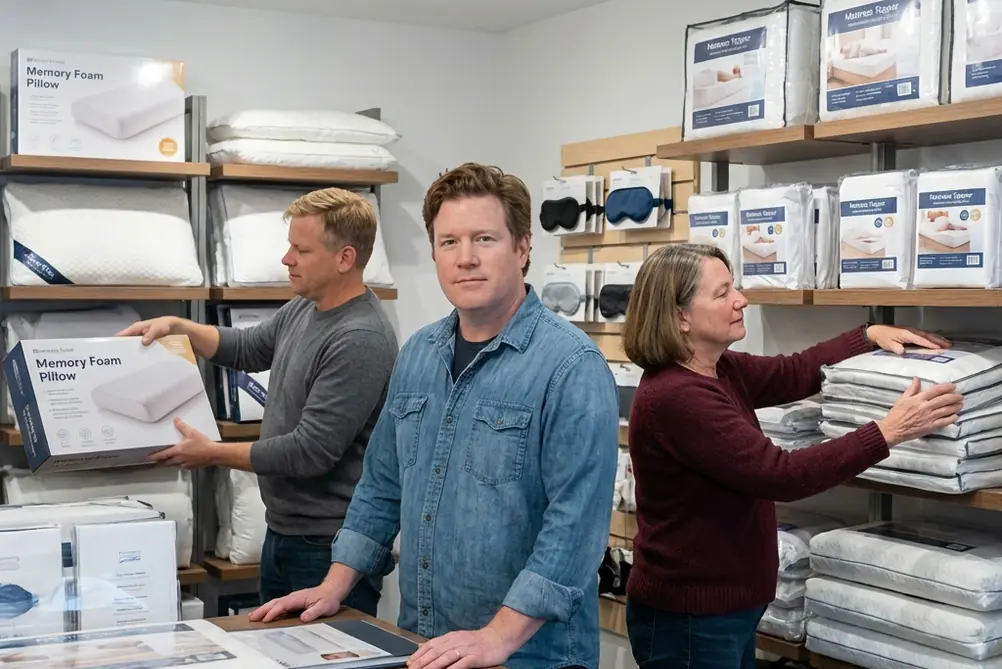
Our team is small by design. Three full-time reviewers handle the bulk of hands-on testing, supported by two contributing writers who specialize in sleep health content and materials science reporting.
Sleep Product Analysts
Our core testing team collectively brings over 14 years of experience evaluating foam and hybrid mattresses. Backgrounds include materials engineering coursework, ergonomics research, and product quality assurance in the home goods sector. Each analyst completes around 25 mattress evaluations per year to maintain calibrated judgment across product categories.
Contributing Sleep Health Writers
Our health-focused content is reviewed by contributors with clinical sleep education credentials. They handle articles in our sleep health section and consult on ergonomic assessment criteria used during mattress testing. Their involvement began in 2020 when we expanded beyond pure product reviews into sleep hygiene guidance.
You can learn more about individual team members on our team page.
Scope of Research & Limitations
We think the most useful thing a review site can do is tell you what it doesn't cover. So here's our honest accounting.
What We Test Well
- Foam density and compression behavior
- Surface temperature under controlled load
- Motion transfer across standardized impacts
- Edge support at seated and lying positions
- Short-to-medium term durability simulation
What Falls Outside Our Reach
- Long-term durability beyond simulated 8-month equivalent
- Individual body chemistry effects on foam breakdown
- VOC emission testing (requires accredited lab equipment we don't operate)
- Clinical sleep outcome measurement (polysomnography)
- Mattresses not available for direct physical evaluation
Our durability simulations, for example, approximate real-world use but can't perfectly replicate the complex loading patterns of an actual human sleeping about 8 hours nightly across years. When we cite durability findings, we're reporting accelerated test results, not guarantees about how a mattress will hold up in year three or four.
We also can't test every mattress sold in the US market. Our reviews and best picks reflect the products we've physically evaluated. If a mattress isn't in our database, it means we haven't gotten our hands on it yet.
Objectivity & Independence
Memory Foam Talk generates revenue through affiliate commissions when readers purchase mattresses through links on our site. That's the business model, stated without euphemism.
What it doesn't do is influence test results. Here's the firewall we maintain:
- Testing protocols run identically whether or not we have an affiliate relationship with the brand
- Numerical scores are assigned before any editorial discussion about monetization
- We've published unfavorable results for mattresses from brands that generate significant affiliate revenue for us
- No manufacturer has pre-publication review or editing rights over our content
We also don't accept mattresses as permanent gifts. Test units are either purchased at retail price or returned to the manufacturer after the evaluation window closes. Since 2021, we've tracked and published which mattresses were purchased versus supplied for review in each article's methodology note.
No testing methodology is perfect, and ours isn't the exception. What we can promise is that every number we publish came from a real measurement, documented with a real protocol, conducted by people who care more about getting it right than getting it favorable. Browse our materials and technology explainers or buyer's guides to see that approach in practice.